

Share



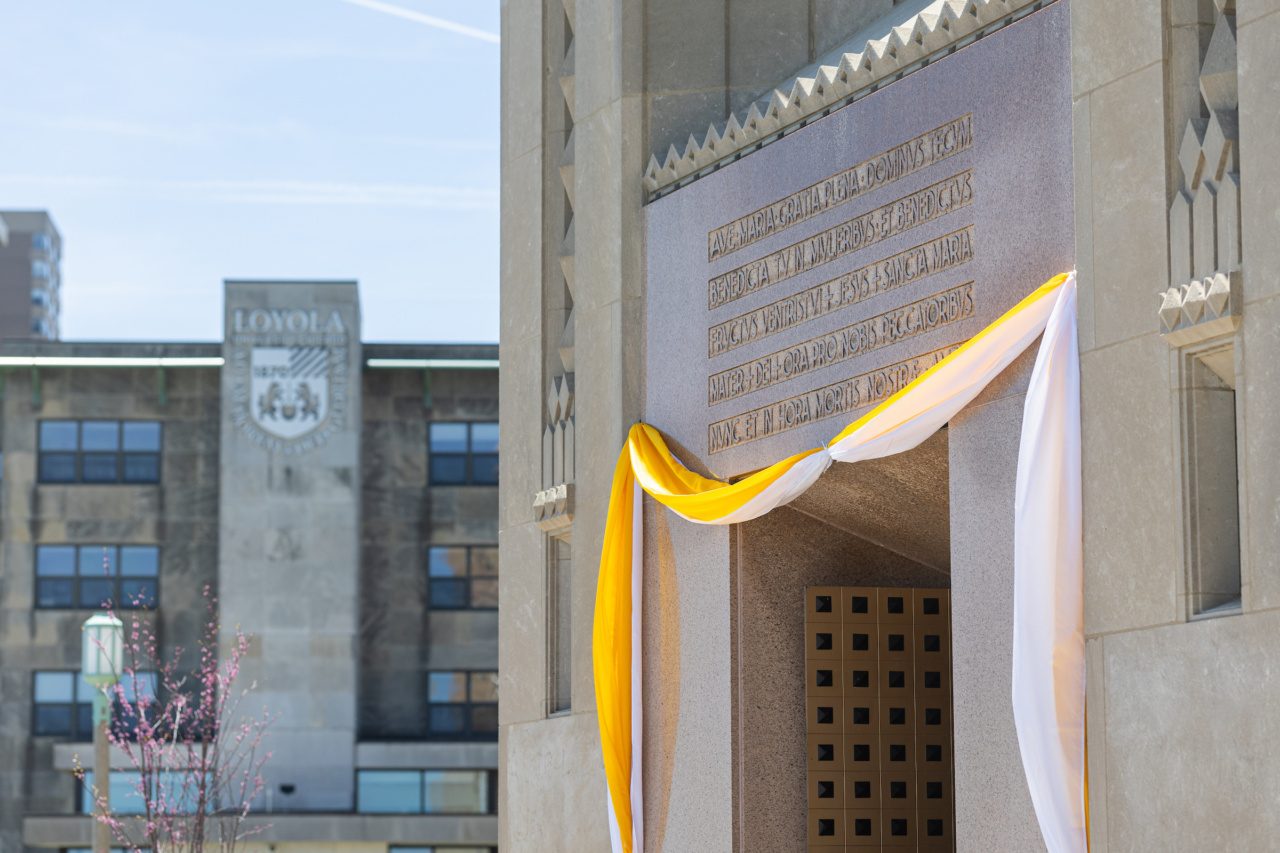
Beginning January 2026, the Curia of the Society of Jesus formally designated Loyola University Chicago as the new home of the Discerning Leadership Program (DLP) which supports senior Catholic Church leaders through formation, accompaniment, professional coaching, and resources—fostering more effective, and discerning service in the Church’s mission.
Launched by the Jesuits in 2019, the DLP responds directly to the Church’s global synodal journey, using Ignatian spirituality as a practical framework for decision-making and leadership.

Forming Discerning Leaders
For Father David McCallum, S.J., executive director of the DLP, the first question of the program isn’t just how to lead a diocese or an organization—it’s how to lead oneself.
“How do I become a discerning leader? While experience, education, and skills are essential, true leadership requires cultivating interior self-awareness and spiritual maturity,” McCallum said. “I may have a strong vision or a particular way of seeing the world, but if I don’t have the interior freedom to understand those perspectives and set them aside to embrace others, I won’t be a truly effective leader.”
Over the past six years, more than 1,000 participants have joined the DLP. While the program will continue to be based in Rome, it aims to expand its worldwide reach, recruiting both faculty and church leaders to its training programs, which moves leaders from individual reflection to organizational action through three primary pillars:
- Residential programs (Rome): Core, in-person sessions host cohorts of 25–30 leaders. Delivered in two stages: Module 1 focuses on personal interiority and spiritual maturity, while Module 2 covers interpersonal and organizational capacities like team building and conflict management.
- Online and international formats: Beyond the residential experience, the program maintains a robust digital presence with series tailored for leaders in Asia, Africa, and Latin America. Often held in collaboration with congregational leadership associations, these sessions offer simultaneous translation to meet regional needs.
- Ongoing accompaniment: Leadership formation extends beyond the initial modules through coaching and community networks, helping leaders translate their learning into practice within their own local communities.
“I am grateful that Loyola University Chicago will serve as the home of this important program,” said Cardinal Blase J. Cupich, Archbishop of Chicago. “By forming leaders in prayerful discernment, collaboration, and service, they will strengthen the capacity of the Church to listen deeply and respond faithfully to the needs of our world.”
How do I become a discerning leader? While experience, education, and skills are essential, true leadership requires cultivating interior self-awareness and spiritual maturity.
— Father David McCallum, S.J., executive director, Discerning Leadership Program
Loyola’s commitment to synodality, lifelong learning
Loyola has emerged as a global leader in advancing synodality. Through initiatives such as the Building Bridges Initiative and the Catholic Education Network to Enact and Resource Synodality (CENTERS), the University has demonstrated a sustained commitment to forming future Church leaders, guided by its Jesuit mission.
“As one of the largest Jesuit universities in the United States, Loyola is well positioned to steward the Discerning Leadership Program,” said Loyola President Mark C. Reed. “Our record of educational leadership in the Church, our history of working with the Vatican and Jesuits across the world, and our commitment to forming new generations of Catholic leaders are all grounded in our deep Jesuit identity.”
Loyola’s School of Continuing and Professional Studies (SCPS) will steward the DLP, applying its nationally recognized expertise in adult education to the online curriculum.
“The School of Continuing and Professional Studies specializes in expanding access to online education for adult learners around the world,” said Jim Parenti, dean of SCPS. “Grounded in five centuries of Jesuit tradition, we are honored to support the Discerning Leadership Program and its formation of Church leaders serving the global mission.”
For Claire Noonan, Loyola’s vice president for Mission Integration, who will join DLP’s board of advisors, the partnership reflects a natural alignment of missions.
“The Discerning Leadership Program embodies the kind of lifelong formation that is central to Loyola’s identity,” Noonan said. “By bringing this program to Loyola under SCPS, we are strengthening our commitment to accompany Church leaders as they grow in discernment, deepen their ministry, and respond faithfully to the evolving needs of the global Church.”
A global network of partners
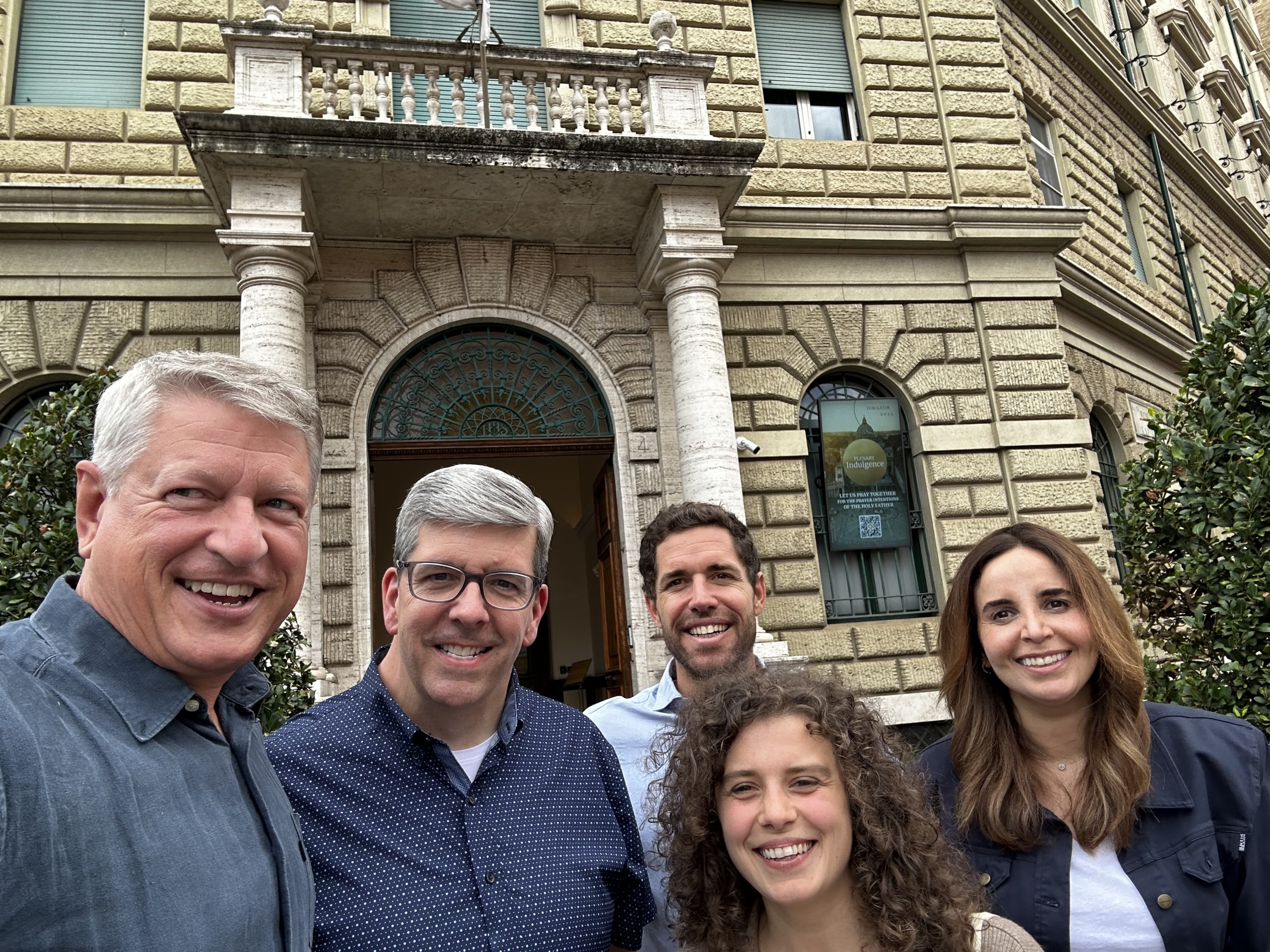
The DLP’s reputation is founded on strong institutional collaboration, supported by international partners including the International Association of Jesuit Universities, the International Union of Superiors General, and the Union of Superiors General.
Faculty includes global experts in spirituality, leadership, and organizational development. Grants from the Conrad N. Hilton Foundation, GHR Foundation, and Porticus highlight the program’s importance to the Church’s future.
Expected outcomes for participants
Looking ahead, McCallum is confident that the combination of Loyola’s global reputation and the DLP’s strong foundation will “plant the seeds” for leaders who can spark synodal renewal within their own communities.
Upon completion of the program, graduates are prepared to:
- Embody service-oriented leadership that is rooted in prayerful discernment,
- Foster collaborative decision-making and synodality within complex institutional structures, and
- Support organizational renewal by balancing spiritual wisdom with practical administrative competence.
“As this program grows and spreads, we’ll remain rooted in our mission: integrating spiritual formation and personal growth so leaders can serve more effectively in a world that needs listening, dialogue, and shared responsibility,” McCallum said.
Read more stories from the School of Continuing and Professional Studies.