

Share



The enrollment scenario college administrators have seen looming since the start of the Great Recession when American birth rates began to dip has arrived in full force: the so-called demographic cliff. In December, the Western Interstate Commission for Higher Education reported that the number of 18-year-olds nationwide who graduate from high school each year will drop by 13%—roughly half a million—by 2041, sparking intensifying competition among colleges to recruit and enroll qualified applicants.
Few people understand the trend’s implications for universities better than Danielle D. Ianni, who was appointed as vice president for enrollment management on March 1, after previously serving in an executive enrollment role at Canisius University, a Jesuit institution in Buffalo, New York. “In many ways, the demographic cliff is pushing universities to become more focused, more intentional, and more strategic in how they approach enrollment,” Ianni said.
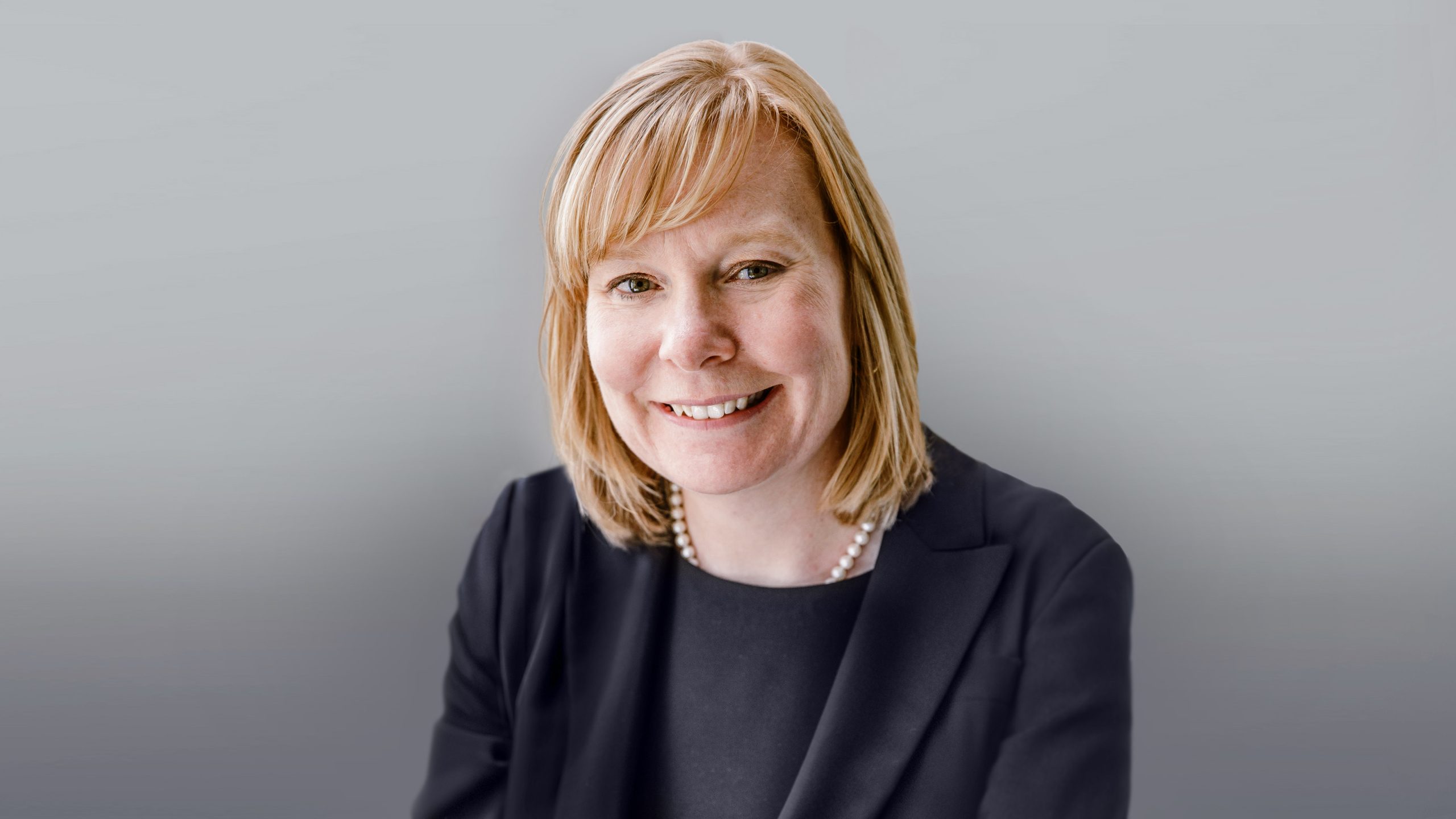
Loyola has continued to grow, which is very unusual in the market. Really exciting work and research is being done that’s attracting students nationally.
— Danielle D. Ianni, vice president for enrollment management
With a purpose-driven Jesuit mission, elite standing as an R1 research institution, and a strong academic track record, Loyola University Chicago is in a highly competitive position to attract and retain qualified students, Ianni says. In an encouraging sign, the 3,156 first-year students in the Class of 2029, hailing from 47 states and 67 countries, were chosen from more than 42,000 applicants—a figure representing 70 percent growth across the past 10 years. “Loyola has continued to grow, which is very unusual in the market,” Ianni said. “Really exciting work and research is being done that’s attracting students nationally.”
Even still, the headwinds of demographic change, along with growing public skepticism of college education’s value, have made it more important than ever for Loyola to highlight its distinctive identity and life-altering outcomes. “We need to continue emphasizing the skills and experiences students gain—critical thinking, ethical leadership, global awareness, and professional preparation,” Ianni said. “Ultimately, showing the value of higher education means demonstrating that a Loyola degree is not just about getting a job; it’s about preparing students to lead meaningful, impactful lives.”


