

Loyola Counseling Psychology program earns national recognition for community commitment
September 15, 2026
Share



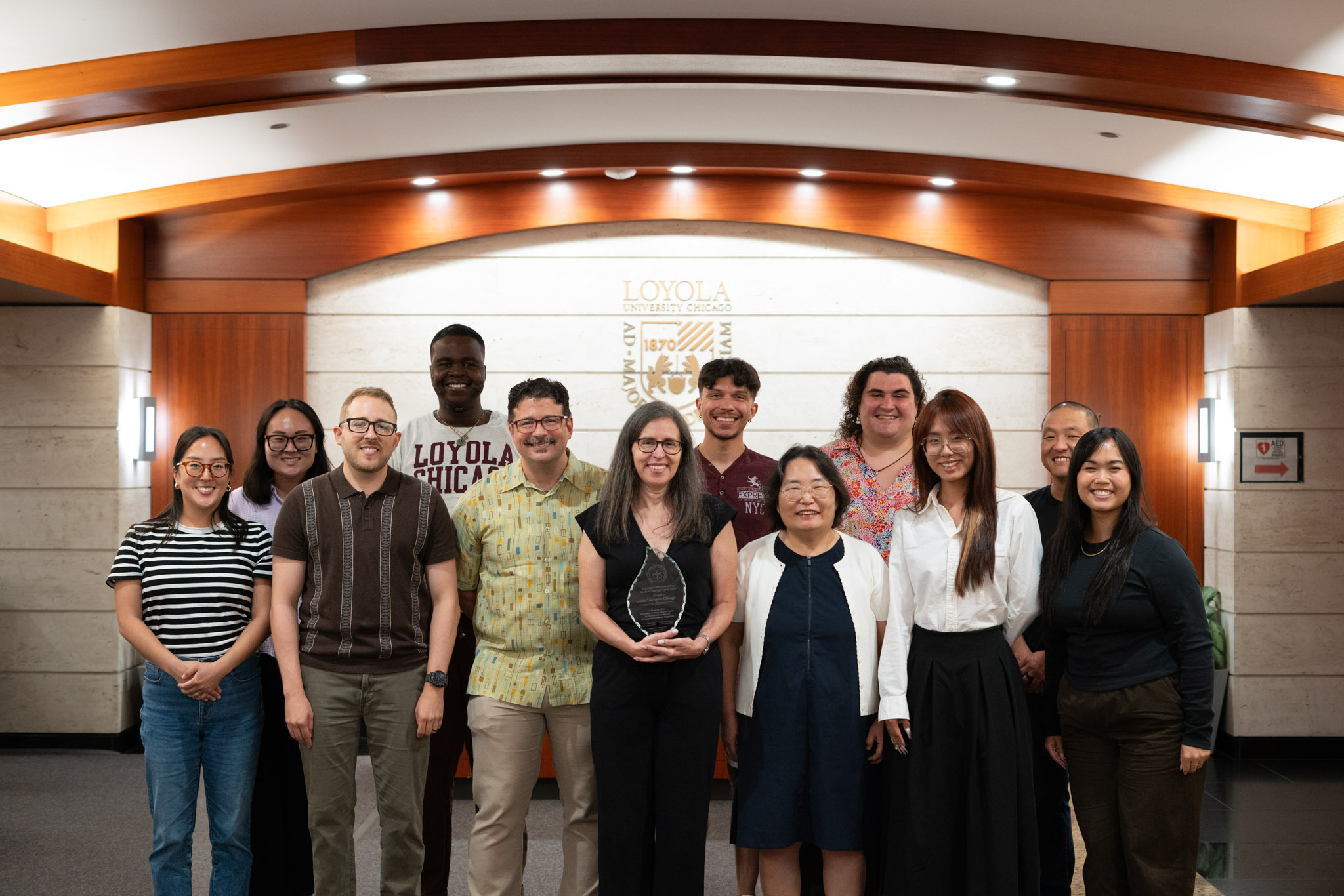
Loyola University Chicago’s Counseling Psychology PhD program has received the 2026 Outstanding Training Program Award for Excellence in Belonging and Community Engagement from the Council of Counseling Psychology Training Programs (CCPTP), recognizing the program’s commitment to preparing psychologists to engage with and advocate for the communities they serve.
The award was presented August 7 at the American Psychological Association Convention. CCPTP, a national organization of training directors from APA-accredited counseling psychology programs, presents the award to a program demonstrating excellence in promoting diversity, inclusion and advocacy within its program, university and communities.
At Loyola, that commitment takes shape in the classroom, in research and clinical training, and through partnerships with community organizations across Chicago.
Partnering with refugees and asylum seekers
One example is the program’s longstanding partnership with the Marjorie Kovler Center, which serves refugees who are survivors of torture seeking asylum in the United States.
For the past four years, first-year doctoral students have participated in a yearlong, noncredit social justice clerkship with the Kovler Center. Working in cohorts, students become part of the organization’s community and support clients in a variety of ways, including assisting with English as a Second Language (ESL) classes, tutoring school-age children, providing psychoeducation and helping connect families with resources.
“Our students get more out of what they’re doing at the Kovler Center than the center does,” said Rufus Gonzales, clinical associate professor of counseling psychology and lead faculty member for the Kovler social justice clerkship. “What the students are doing is a service to them. The Kovler Center appreciates the partnership that extends beyond the clerkship, but honestly our students get even more out of it.”
The partnership gives students a firsthand understanding of the challenges refugees and survivors of torture face as they navigate the U.S. asylum system, while also building relationships with clients and families. Many students continue volunteering with the Kovler Center after completing the clerkship, and some return to the center for clinical training.
The Kovler partnership is one example of how social justice and community engagement are woven throughout the program’s doctoral training. Faculty and students have also worked with the Chinese American Service League to provide trauma-informed care training to employees, and the program has collaborated with Loyola’s Arrupe College and other community organizations on initiatives focused on cross-cultural dialogue, mental health and social justice.
Grounding curriculum and clinical experience in community
Students complete clinical experiences in a range of Chicago settings, including organizations serving LGBTQ+ communities, veterans and BIPOC communities. Students also work alongside faculty on research focused on issues affecting immigrant communities, BIPOC youth, Latine and immigrant populations, and trans and nonbinary people.
“The national recognition reflects the program’s commitment to preparing psychologists who understand the communities they serve and the responsibility they have to engage with those communities,” said Elizabeth Vera, professor and co-chair of the Counseling Psychology PhD program.
That commitment is also reflected in the program’s curriculum, which integrates social justice and diversity, inclusion and advocacy throughout its courses. Doctoral seminars such as Prevention, Outreach, and Advocacy and the Advanced Multiculturalism and Social Justice Seminar give students additional opportunities to explore community-based practice, advocacy and public scholarship.
Over the past decade, students in the program have matched with APA-accredited internships, and graduates have gone on to careers in higher education, university counseling centers, hospitals and community mental health settings.


